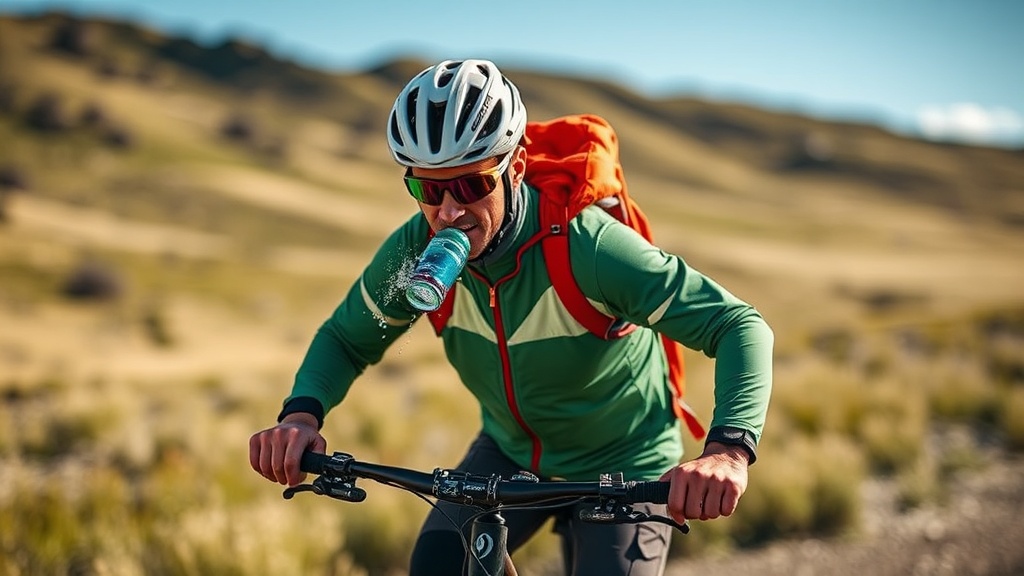
Hydration Strategies for High-Wind Sessions

You’re three hours into a heavy swell session at Kitsilano. The wind is pumping, the gusts are hitting hard, and your core is screaming from holding an edge. You feel a sudden wave of fatigue—not just physical, but a mental fog that makes your reaction times feel sluggish. This isn't just tiredness; it's dehydration. This guide breaks down how to manage fluid intake and electrolyte balance specifically for the high-intensity, high-wind environments kiteboarders face.
Kiteboarding is a paradox. You're surrounded by water, yet you're at a massive risk for dehydration. The combination of salt spray, sun exposure, and the high-octane physical demand of fighting wind-drag means you're losing fluids faster than you realize. If you don't manage this, your edge control fails, your board control slips, and your risk of injury spikes.
How much water should a kiteboarder drink?
A kiteboarder should aim to drink roughly 500ml to 1 liter of fluid for every hour of high-intensity activity, adjusted for wind speed and temperature. Most people underestimate how much they need because they don't feel "thirsty" while the wind is blowing in their face. That's a mistake. The wind actually accelerates evaporation from your skin and lungs, stripping moisture away before you even notice the sensation of being parched.
I've found that relying on plain water alone during a long session can actually backfire. If you're sweating heavily and losing minerals, drinking massive amounts of plain water can dilute your sodium levels—a condition known as hyponatremia. You want a balance. If you're out there for a multi-hour session, you need to think about more than just H2O.
Here is a basic breakdown of fluid needs based on session intensity:
| Session Type | Estimated Fluid Loss | Recommended Strategy |
|---|---|---|
| Light Wind / Low Intensity | 300-500ml / hour | Standard water intake; intermittent sips. |
| High Wind / High Intensity | 750ml-1L / hour | Water + Electrolyte solution (e.g., Nuun tablets). |
| Extreme Heat / High Wind | 1L+ / hour | Aggressive electrolyte replacement and salt intake. |
Don't wait until your mouth is dry to reach for your bottle. By the time you feel that, your cognitive function is already dropping. This is especially true when you're trying to maintain focus during complex maneuvers. If you're struggling with focus, it might be worth checking out strategies for managing mental fatigue, as physical dehydration is often the hidden culprit behind mental slips.
What are the best electrolytes for kiteboarding?
The best electrolytes for kiteboarding are a combination of sodium, potassium, magnesium, and calcium. These minerals are responsible for muscle contraction and nerve signaling—two things you need in abundance when you're fighting a 25-knot gust. Sodium is the big one. It helps your body retain the water you're actually drinking.
When I'm prepping for a long day, I usually opt for something like Nuun hydration tablets or even a simple electrolyte powder mixed into a reusable bottle. It's much better than the sugary, neon-colored sports drinks you see in grocery stores. Those are mostly sugar and can lead to a massive energy crash halfway through your session. You want sustained stability, not a spike and a fall.
A quick tip: Magnesium is your best friend for preventing those mid-session muscle cramps. If your calves start twitching while you're riding a toe-side edge, you're likely low on magnesium or potassium. It's a nightmare to deal with when you're mid-session and can't exactly stop to take a pill.
Consider these three categories of electrolyte sources:
- Sodium-Heavy: Great for replacing what you lose in sweat (think salty snacks or specialized electrolyte mixes).
- Potassium & Magnesium: Vital for preventing muscle cramps and neurological fatigue.
- Calcium: Supports muscle function and bone density under high-impact loads.
How can I stay hydrated while on the water?
The most effective way to stay hydrated is to have a pre-planned hydration station on the beach and a way to carry fluids during your session. Since you can't exactly carry a bottle while riding, your "session-side" management is what matters most. You need to treat your hydration like a kit piece—just as important as your harness or your kite lines.
I usually set up a cooler near my gear station with a few chilled bottles of electrolyte water. It’s not just about temperature; cold liquids are often more palatable when you're overheating in the sun. If you're using a kiteboarding rig that requires a lot of physical exertion, remember that strength and physical conditioning are only as effective as your recovery and internal maintenance.
If you're a more advanced rider or a traveler, investing in a high-quality insulated bottle (like a Yeti or Hydro Flask) is a no-brainer. Keeping your water cold for four hours instead of twenty minutes makes a massive difference in how much you actually *want* to drink. It's a small investment that pays off when the wind is pumping and the sun is relentless.
Here's a quick checklist for your beach setup:
- Large insulated water jug with ice.
- Electrolyte powder or tablets (Nuun or Liquid I.V. are solid choices).
- A small stash of salty snacks (pretzels or salted nuts) to help with sodium retention.
- A timer or watch to remind you to drink every 45-60 minutes.
It's easy to get caught up in the "flow state" and forget that your body is a machine that needs fuel. You might feel invincible while you're carving a massive toe-side edge, but the moment your hydration levels drop, that feeling vanishes. You'll notice it in your legs first—a heavy, sluggish feeling—and then in your head. Your decision-making becomes slower, and your ability to read the wind shifts diminishes.
One thing I've noticed in my years of riding in the Pacific Northwest is how much the salt air affects you. Even if you aren't sweating visibly, the salt is pulling moisture from you. This is why I never go out without a plan for my water intake. It's not just about thirst; it's about maintaining the ability to perform at a high level. If you're constantly fighting your body, you're not really riding—you're just surviving the session.
If you find yourself struggling with your edge transitions or feeling less fluid than usual, don't just assume it's a skill issue. Check your hydration. Often, a lack of fluid and electrolytes is the root cause of poor physical-to-mental coordination. It's a fundamental part of the sport that many people overlook until they're already feeling the effects.