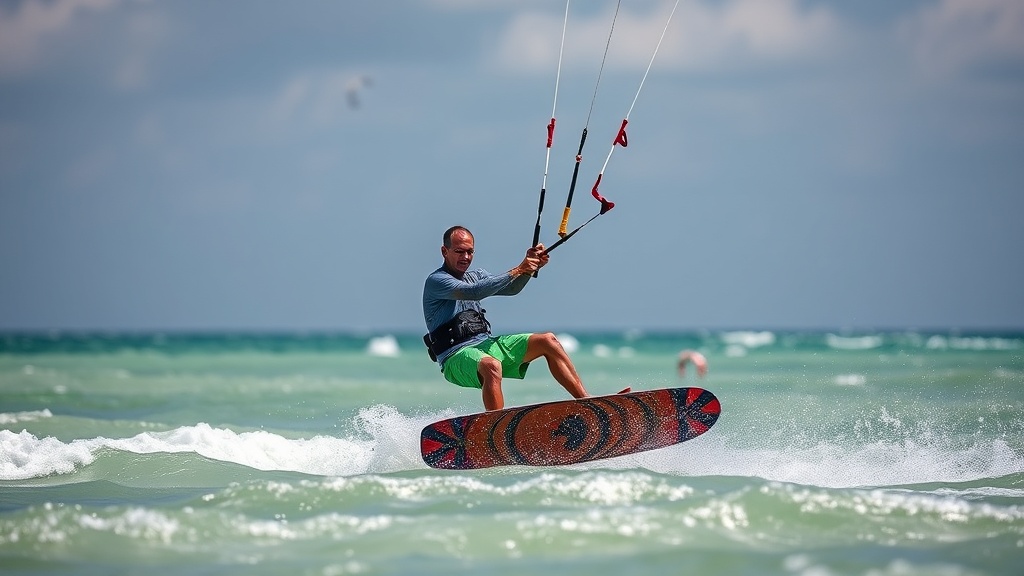
Mastering Kiteboarding: key Training Tips for Beginners

This post covers the fundamental training techniques every beginner kiteboarder needs to master before hitting the water. Learning proper kite control, body positioning, and safety protocols from day one saves countless hours of frustration—and potentially prevents serious injuries. Whether standing on a Vancouver beach watching others ride or finally committing to lessons, this guide breaks down exactly what skills to prioritize and in what order.
What's the Best Way to Learn Kiteboarding as a Complete Beginner?
Professional instruction from an IKO-certified (International Kiteboarding Organization) school isn't optional—it's mandatory for safety. Self-teaching kiteboarding ranks among the most dangerous approaches in any extreme sport. Professional instructors provide controlled environments, proper equipment sizing, and immediate feedback that accelerates progress dramatically.
Most beginners require 8-12 hours of lessons spread across 3-4 days. That said, there's no shame in needing more time. The learning curve varies based on prior board sports experience (snowboarding and wakeboarding help considerably), wind conditions during lessons, and individual comfort with kite handling.
Here's the thing about lesson locations: Vancouver's Squamish Spit ranks among North America's premier learning spots. The consistent thermal winds, wide sandy beach, and shallow entry create ideal conditions. Other notable Canadian locations include Kite Canada's recommended spots in Prince Edward County, Ontario, and the Magdalen Islands, Quebec.
During initial lessons, expect to spend the first 2-3 hours on land. Kite setup, safety systems, and basic flying happen firmly on the beach. Only after demonstrating controlled figure-eight patterns and emergency releases do students enter the water. This foundation—though seemingly slow—prevents the bad habits that plague self-taught riders for years.
What Gear Do Beginners Actually Need?
Beginners should rent equipment during lessons and for the first season before purchasing anything. Kiteboarding gear represents a significant investment—$2,000-3,500 for a complete setup—and buying the wrong sizes or styles wastes money while hindering progress.
Understanding gear categories helps when the time comes to purchase. Modern kites fall into two main types: bow kites (including delta and hybrid designs) and C-kites. Beginners should exclusively start with bow kites due to their depower capabilities, wider wind range, and more forgiving handling.
| Gear Component | Beginner Recommendation | Price Range (New) |
|---|---|---|
| Kite | 12m bow kite (Cabrinha Switchblade, Slingshot Rally GT) | $1,200-1,800 |
| Control Bar | 4-line system with above-bar depower | $400-600 |
| Board | Large twin-tip (140-145cm) with generous rocker | $500-900 |
| use | Seat use (waist uses come later) | $150-250 |
| Safety Gear | Impact vest, helmet, knife | $200-400 |
The catch? Used gear can work—but only from reputable sources. Avoid kites older than 5 years, anything showing repairs on the leading edge, or lines with visible fraying. IKO's official resources include gear inspection checklists worth reviewing before any secondhand purchase.
Worth noting: Vancouver's wet suit requirements differ from tropical destinations. A 4/3mm full wetsuit serves most riders from May through September. Booties protect against sharp shells at the Spit. Gloves become personal preference—some riders swear by them for line grip, others find them unnecessary.
Board Selection for Progression
Bigger boards plane earlier, stay upwind easier, and forgive heavy foot pressure. The Cabrinha XCaliber Wood in 141cm works beautifully for beginners transitioning to intermediate riding. Slingshot's Misfit series offers similar forgiveness with excellent build quality.
Avoid small boards (under 138cm) during the learning phase. Yes, advanced riders prefer compact decks for unhooked tricks and wave riding. That comes later—much later. Starting on a large board builds proper stance, edge control, and confidence that transfers when sizing down eventually.
How Long Does It Take to Learn Kiteboarding?
Most dedicated beginners achieve independent riding (staying upwind consistently) within 15-25 hours of water time. This typically spans 3-6 weeks for those practicing 2-3 times weekly. The initial water start—pulling the kite to lift from the water onto the board—clicks suddenly for many after repeated attempts.
The learning phases break down approximately as follows:
- Hours 1-3: Kite control on land, safety drills, body dragging in water
- Hours 4-8: Board recovery, water start attempts, short rides downwind
- Hours 9-15: Consistent water starts, riding both directions, initial upwind attempts
- Hours 16-25: Reliable upwind riding, transitions, introduction to jumps
Progress isn't linear. Some sessions feel like regression—wind conditions, equipment changes, or mental fatigue all affect performance. That said, consistency trumps intensity. Three two-hour sessions weekly beats one marathon eight-hour day. Muscle memory builds through repetition, and fatigue breeds mistakes with potentially serious consequences.
Here's the thing about Vancouver specifically: the thermal wind season (May-September) provides predictable afternoon conditions. Morning sessions often mean lighter, gustier winds that frustrate beginners. Planning practice during peak thermal periods—typically 2 PM to 6 PM on sunny days—maximizes productive water time.
What Are the Most Common Beginner Mistakes?
Poor kite positioning causes more beginner crashes than any other factor. The kite belongs at 11 or 1 o'clock during water starts—not overhead at 12, not dragging at the water's edge. Many beginners instinctively pull the bar when falling (the "superman" reflex), which powers the kite and worsens the crash. Proper technique: push the bar away immediately when losing balance.
Looking at the kite instead of the riding direction creates another persistent problem. The kite stays in peripheral vision—trust the use to feel its position. Eyes forward, shoulders aligned with hips, weight back over the rear foot. This stance feels unnatural initially but becomes automatic with practice.
Overpowered riding terrifies beginners and instructors alike. Using a 9-meter kite in 25-knot winds when a 7-meter suits better guarantees exhaustion and loss of control. When in doubt, rig smaller. Underpowered practice builds better technique anyway—learn to generate power through board speed and proper edging rather than relying on excessive kite pull.
Body Position Fundamentals
Stance makes or break progression. The "poo stance"—hips back, shoulders forward, arms fully extended—represents the classic beginner error. Correct form means:
- Hips forward and tucked slightly
- Shoulders back, aligned over the hips
- Front arm slightly bent, steering the kite
- Back arm relaxed, primarily for balance
- Weight distributed 60/40 over the rear foot
This position—aggressive but controlled—allows proper edge engagement against the kite's pull. The board carves upwind, generates apparent wind, and maintains speed through lulls. Worth noting: video analysis helps enormously. Have a friend film from the beach, or invest in a waterproof action camera for self-review.
How Can Beginners Stay Safe While Learning?
Safety protocols in kiteboarding aren't suggestions—they're survival skills. Every session requires checking weather forecasts (Windy.com or similar), notifying someone of launch location and expected return, and carrying a whistle or safety knife. Never ride alone as a beginner.
Understanding right-of-way rules prevents collisions. Downwind riders have right of way over upwind riders. When two riders travel opposite directions, the rider on port tack (left hand forward) yields to starboard tack. These rules mirror sailing conventions and keep crowded beaches orderly.
Equipment failures happen. Lines snap, safety releases stick, use hooks break. Regular inspections—checking pulleys for corrosion, examining line wear points, testing quick releases monthly—catch problems before they strand riders offshore. Replace lines every 2-3 seasons regardless of apparent condition.
"The kite doesn't care about your experience level. Respect the wind, respect the gear, and respect your own limits. Progression follows naturally from that foundation."
Physical conditioning accelerates learning while reducing injury risk. Core strength maintains proper riding posture. Shoulder mobility prevents overuse injuries from kite control. General cardiovascular fitness extends session length when conditions are firing. That said, kiteboarding itself builds remarkable fitness—expect sore abs, forearms, and calves after early sessions.
When progression stalls, professional coaching provides the breakthrough. Even a single hour with an instructor after 10+ solo sessions identifies technique flaws invisible to the rider. Squamish Watersports and other Vancouver-area schools offer intermediate clinics specifically for riders stuck at the upwind-riding plateau.
The path from first beach lesson to confident independent riding transforms beginners into ocean athletes. The combination of technical skill, environmental awareness, and physical challenge makes kiteboarding uniquely rewarding among extreme sports. Start properly, progress patiently, and that first upwind tack—board humming, spray flying, kite parked perfectly—delivers a feeling no other sport matches.