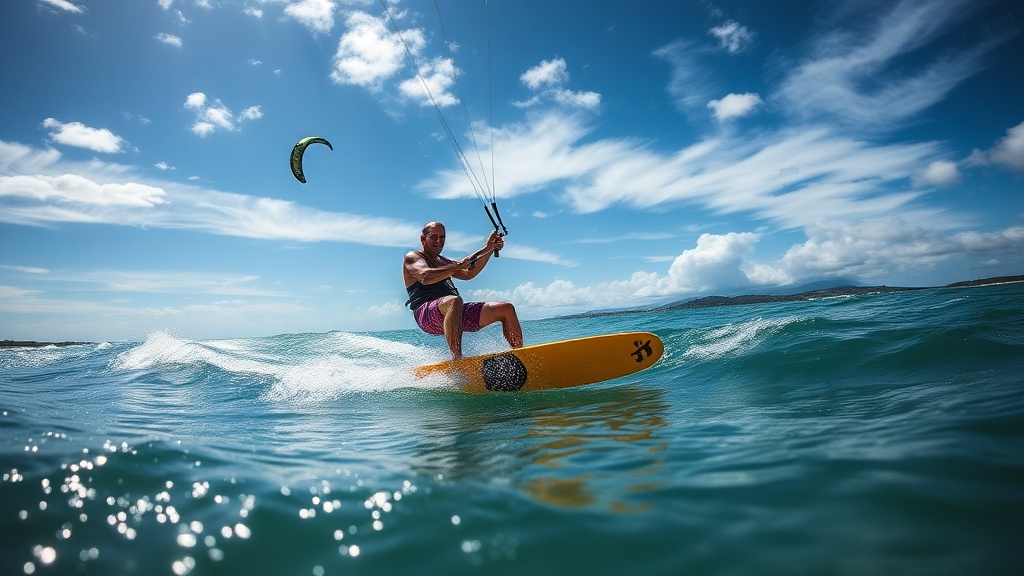
Fueling the Session: What to Eat Before and After Kiteboarding

Why your pre-session snack matters more than you think
Most riders assume that if they aren't hungry, they don't need to eat. They head out to the water with nothing but a coffee in their hand, thinking they can power through a three-hour session on sheer adrenaline. This is a mistake. When your blood sugar drops mid-session, your reaction time slows down, your focus slips, and that's exactly when you lose control of your edge or fail to catch a wave. This guide covers the specific nutritional timing and food types required to keep your energy levels steady while you're out on the water.
Kiteboarding is an incredibly demanding sport that requires high-intensity bursts of strength and constant cardiovascular output. You aren't just sitting in a boat; you're fighting wind, water, and gravity. If you don't prepare your body with the right fuel, you'll hit a wall—often right when the wind is strongest and the waves are most interesting. We're going to look at how to time your meals and what specific nutrients actually help you perform better.
What should I eat before kiteboarding?
The goal before you hit the water is to top up your glycogen stores without making your stomach feel heavy or nauseous. You want slow-burning energy. If you eat a sugary candy bar right before you launch, you'll experience a massive spike followed by a devastating crash. Instead, focus on complex carbohydrates paired with a small amount of protein. Think of it as building a foundation for your energy.
- Oatmeal with fruit: Provides slow-release energy through complex carbs.
- Greek yogurt and berries: A good balance of protein and antioxidants.
- Whole grain toast with peanut butter: The fats and proteins slow down digestion, providing a steady stream of fuel.
Avoid heavy, high-fat meals at least two hours before your session. Digestion requires a lot of blood flow, and if your body is busy processing a greasy burger, it can't send that blood to your legs and core. You want your energy focused on your muscles, not your gut. For more on how macronutrients work together, check out the Healthline guide on macronutrients.
How do I prevent cramping during long sessions?
Cramping isn't just about a lack of potassium; it's often a sign of systemic dehydration or an electrolyte imbalance. When you're out in the wind, you're sweating even if you don't feel it because the breeze dries your skin instantly. This is why many riders find themselves with a calf or foot cramp halfway through a session. To prevent this, you need to manage your salt and mineral intake well before you even reach the beach.
Don't just drink plain water. If you drink massive amounts of plain water without any electrolytes, you might actually dilute your sodium levels, which makes cramping worse. Instead, incorporate electrolytes like sodium, magnesium, and potassium. A sports drink or an electrolyte tablet added to your water can make a massive difference in how long you can stay upright in high winds. According to the ScienceDirect resources on electrolytes, maintaining this balance is vital for muscle function.
The Mid-Session Strategy
If you're planning a marathon session, you can't rely on your breakfast alone. You need a mid-session strategy. This doesn't mean a full meal, but rather small, frequent hits of energy. Liquid nutrition is often the easiest way to handle this while you're on the water. A specialized sports drink or even just a bit of fruit juice can provide the glucose your brain and muscles are screaming for. The key is to keep it light. A heavy stomach while being pulled by a kite is a recipe for disaster.
What is the best food to eat after a session?
The window immediately following your session is your most important time for recovery. Your muscles are essentially a sponge right now, ready to soak up whatever you give them. You need two things: protein to repair the muscle fibers you've stressed, and carbohydrates to replenish the glycogen you've burned through. This is the "recovery window."
Don't wait three hours to eat because you're "too tired." If you can, get a small snack or a protein shake in within 30 minutes of getting off the board. This kickstarts the repair process. If you wait too long, your body stays in a catabolic state—meaning it's actually breaking down muscle tissue to find energy—rather than building it back up.
| Goal | Nutrient Focus | Example Food |
|---|---|---|
| Immediate Recovery | Simple Carbs + Fast Protein | Banana and a Protein Shake |
| Muscle Repair | Complex Carbs + Lean Protein | Chicken, Quinoa, and Veggies |
| Inflammation Control | Healthy Fats + Antioxidants | Salmon and Avocado |
Eating a meal rich in omega-3 fatty acids, like salmon, can also help with the inflammation that comes from the constant impact of landings and turns. This isn't just about feeling better tomorrow; it's about being able to go out again the next day without feeling broken. Your longevity in this sport depends on how well you treat your body when the kite is down.