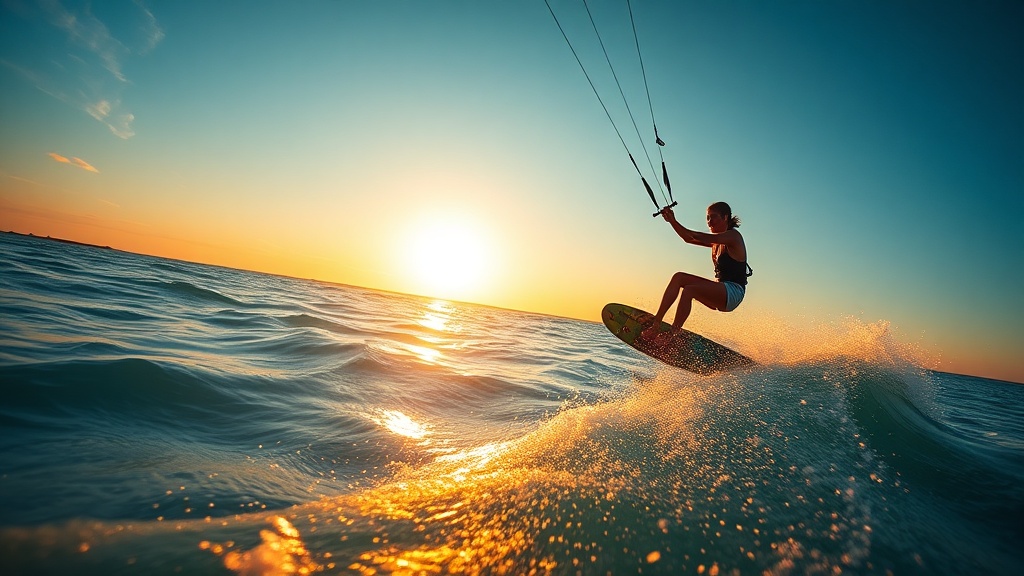
Extend Your Kiteboarding Sessions: Practical Wisdom for Every Rider

What Really Drains Your Energy During a Kiteboarding Session?
A common misconception among kiteboarders is that unlocking longer, more rewarding sessions hinges solely on brute strength or simply buying a bigger kite. While physical fitness certainly plays a role, and the right gear helps, the true game-changer for sustained water time often comes down to smarter planning, acute condition assessment, and meticulous equipment awareness. This guide unpacks actionable strategies designed to help you maximize your time kiting—not through endless gym hours, but through informed decisions and refined habits. By focusing on these often-overlooked aspects, you’ll not only find yourself riding longer but also enjoying a deeper, safer connection with the wind and waves.
Many factors contribute to fatigue on the water, some obvious and some surprisingly subtle. Beyond the physical demands of holding an edge or wrestling with gusts, mental exertion, inadequate preparation, and inefficient riding can quickly sap your reserves. Sun exposure, dehydration, and even just the cumulative effect of constant vigilance against changing conditions take a toll. Understanding these energy sinks is the first step toward counteracting them.
How Can You Read the Wind and Weather Like a Seasoned Local?
Becoming adept at reading the wind and local weather patterns isn't just about knowing when to launch; it's about predicting how the conditions will evolve throughout your session. Many kiters rely solely on generic forecast apps, but real-world conditions—especially at complex spots—are often nuanced. Learning to observe environmental cues provides a significant advantage, allowing you to ride confidently and plan your exit strategically, preventing unexpected offshore gusts or rapidly fading wind from catching you off guard.