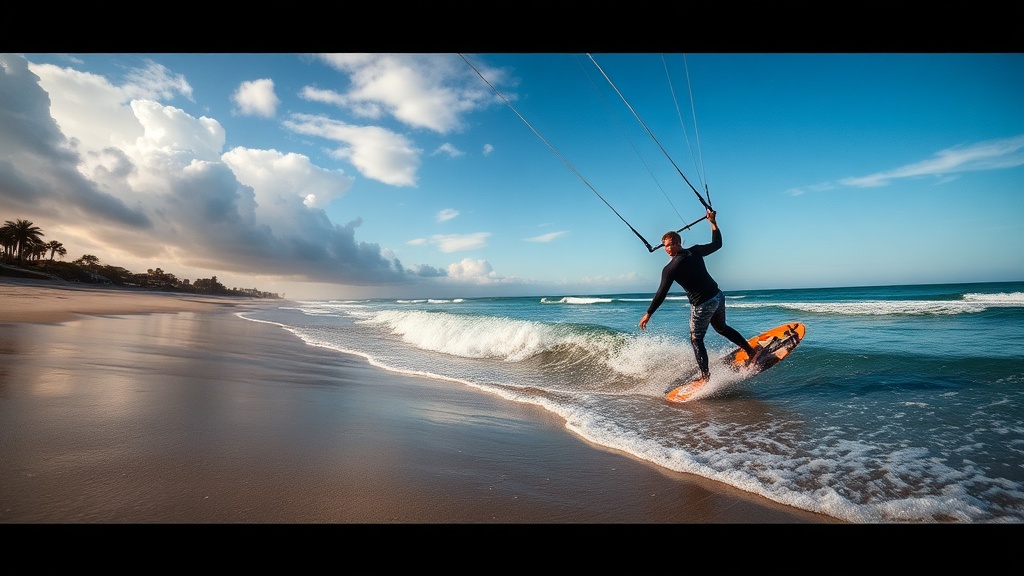
Beyond the Beach: Off-Season Habits That Extend Your Kiteboarding Life

Why do many kiteboarders overlook off-season preparation?
Many kiteboarders consider the off-season — those windless months or colder stretches — a time for complete disconnect, a well-deserved break until the next good forecast. There's a common misconception that truly getting better means more time on the water, endlessly chasing the next session. But here's the reality: ignoring the off-season for dedicated development isn't just a missed opportunity; it's a direct path to plateaued skills, nagging injuries, and a shorter, less enjoyable kiteboarding career. The quiet periods away from the beach offer an unparalleled chance to build a more resilient body and a sharper mind, setting you up for sustained progression and pure stoke for years to come.
This isn't about grinding yourself into exhaustion, but rather about intentional, thoughtful habits that compound over time. It's about recognizing that performance on the water starts long before your feet hit the board, and these moments away from the chop are just as valuable as any perfect gust. Think of it as investing in your future self—the one who's still ripping well into their later years, effortlessly gliding through conditions that sideline others. Let's look at the critical areas to focus on when the wind takes a break.
Functional Strength Isn't Just for Powerlifters
When you picture off-season training, bulky gym routines might come to mind. But for kiteboarders, the focus should shift dramatically from brute strength to functional movement patterns. We need strength that translates directly to controlling the kite, absorbing chop, and executing powerful maneuvers, not just lifting heavy objects in a straight line. This means prioritizing compound movements that mimic the demands of the sport: rotational core strength, grip endurance, and powerful leg drives.
Consider exercises like medicine ball throws for rotational power, single-leg squats or lunges for balance and leg stability, and farmer's carries for grip endurance. These movements challenge your body in multiple planes, building the kind of coordinated strength that helps you stick landings, hold an edge through a gust, and ride for longer without fatigue. Don't forget plyometrics—box jumps or broad jumps can really boost the explosive power needed for airs. Remember, your body works as an integrated unit on the water; train it that way off the water. For more on how proper strength training impacts athletic performance, a deep dive into