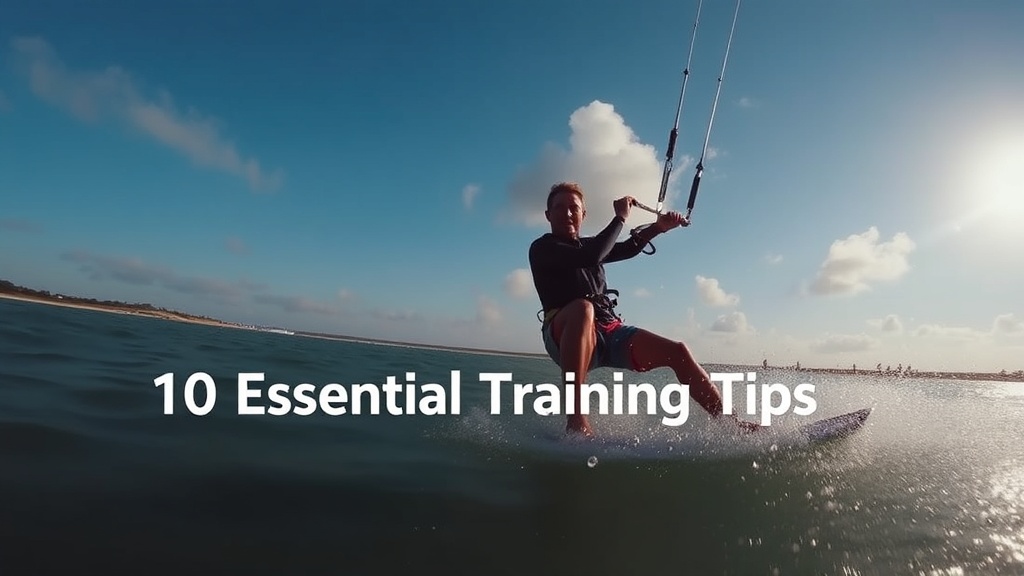
10 Essential Training Tips for Kiteboarders

Introduction
Kiteboarding is an exhilarating extreme sport that requires strength, balance, and technique. Whether you're a beginner or an experienced rider, continuous improvement is key to mastering this sport. In this listicle, we will dive into 10 essential training tips that will help you excel in kiteboarding.

1. Build Core Strength
Your core is the powerhouse of your body. A strong core is essential for stability and control while kiteboarding. Incorporating exercises like planks, leg raises, and Russian twists into your training routine will significantly improve your performance on the water.
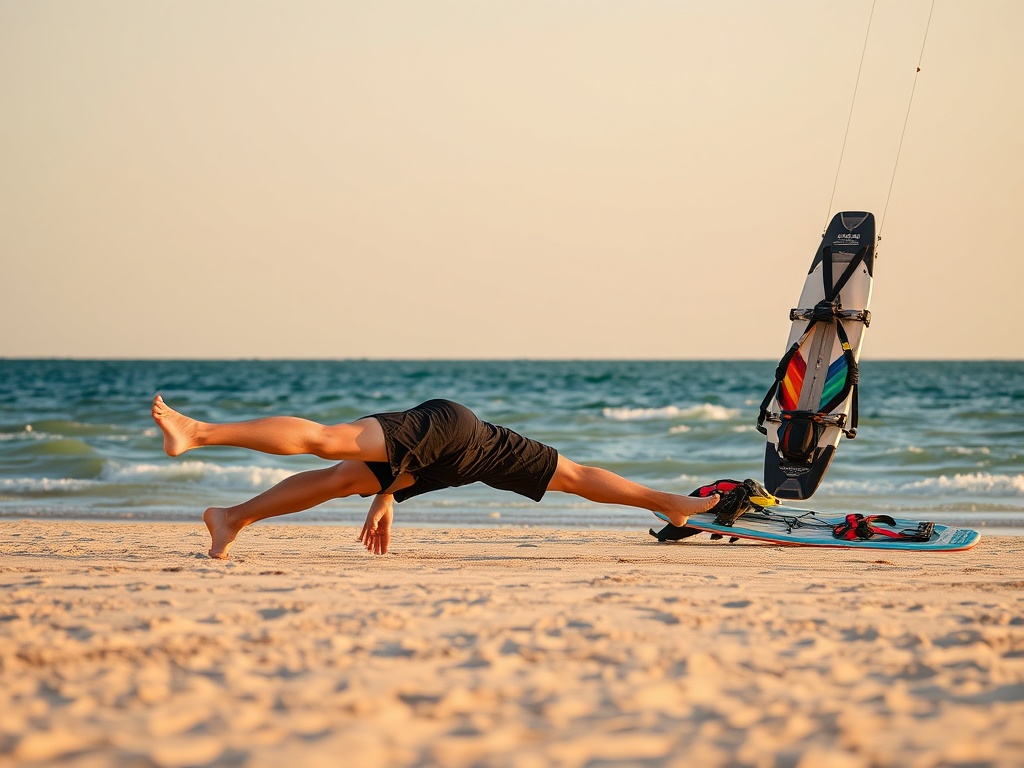
2. Master Kite Control on Land
Before you even hit the water, it's crucial to get comfortable with kite control on land. Practice flying the kite in a controlled environment, such as an open field, to improve your handling skills and responsiveness to the wind.
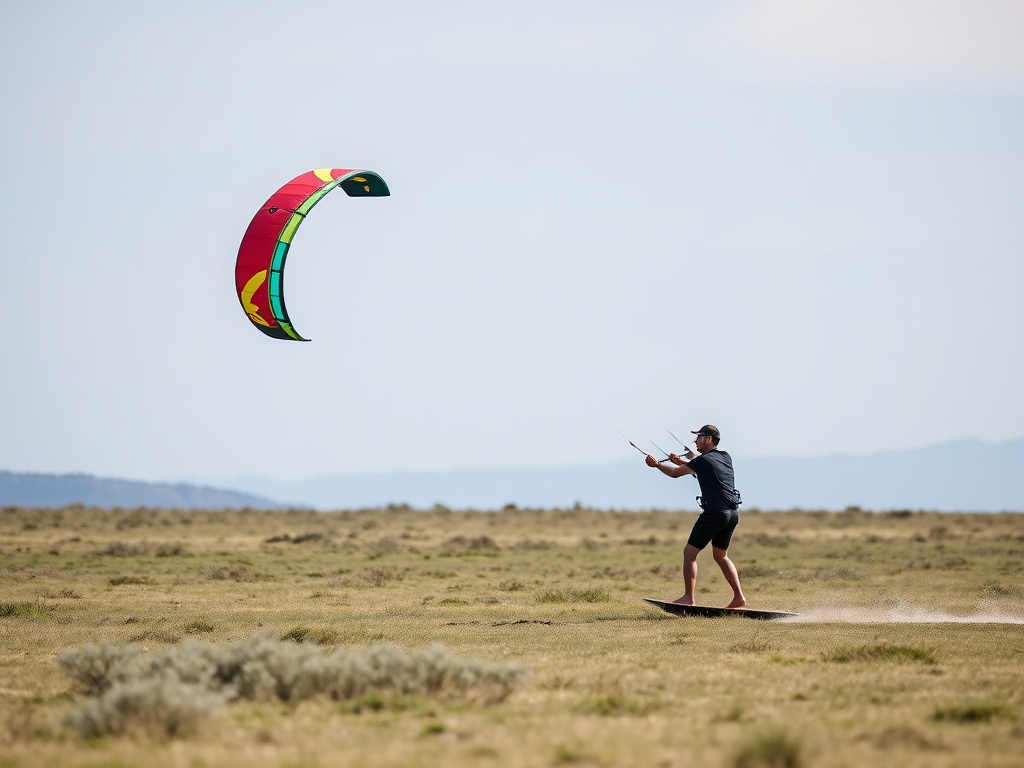
3. Increase Flexibility
Flexibility plays a major role in reducing the risk of injury and improving your agility. Regular stretching exercises for the legs, hips, back, and shoulders will allow you to move more freely and respond better to kite forces.
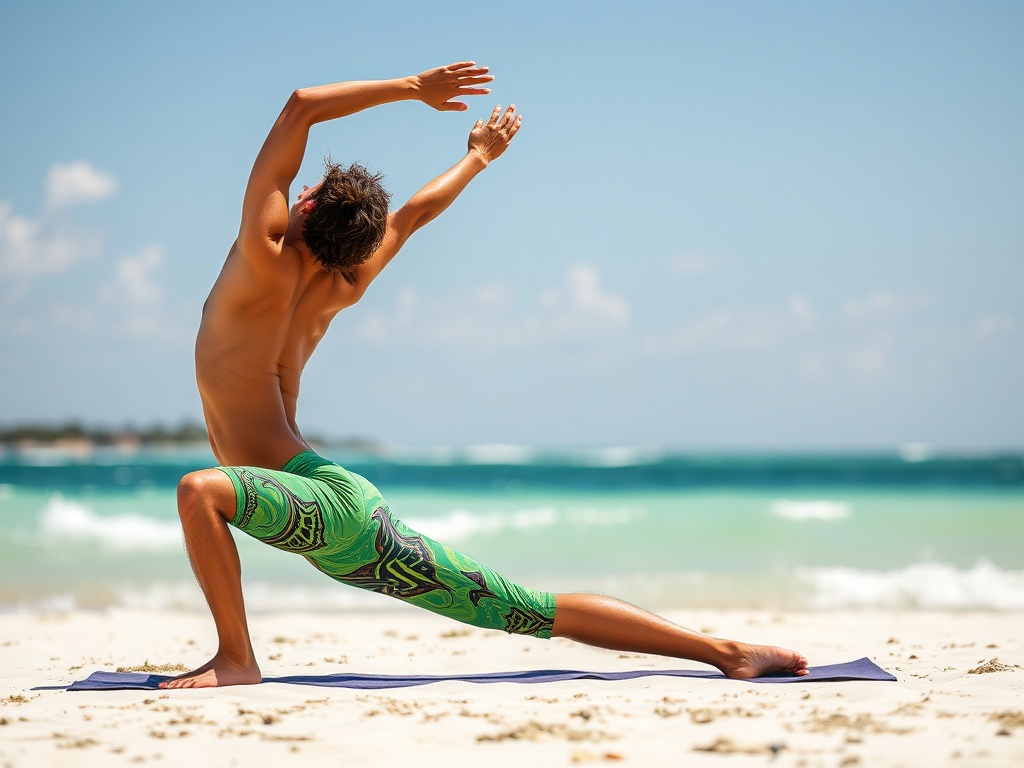
4. Work on Balance
Balance is critical in kiteboarding, especially when landing jumps or riding waves. Practicing balance on a balance board or through activities like yoga will help you maintain stability while on the board.
5. Improve Cardiovascular Fitness
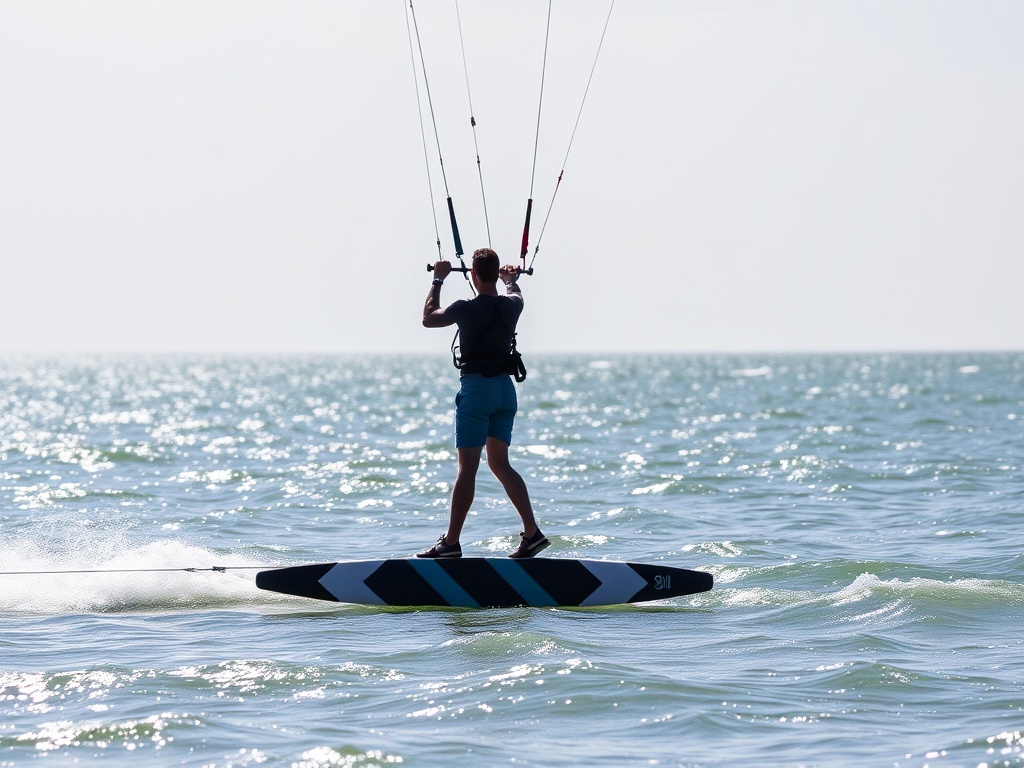
A high level of cardiovascular fitness ensures that you have the stamina needed for long kiteboarding sessions. Running, cycling, and swimming are all great ways to improve your endurance.
6. Perfect Your Water Starts
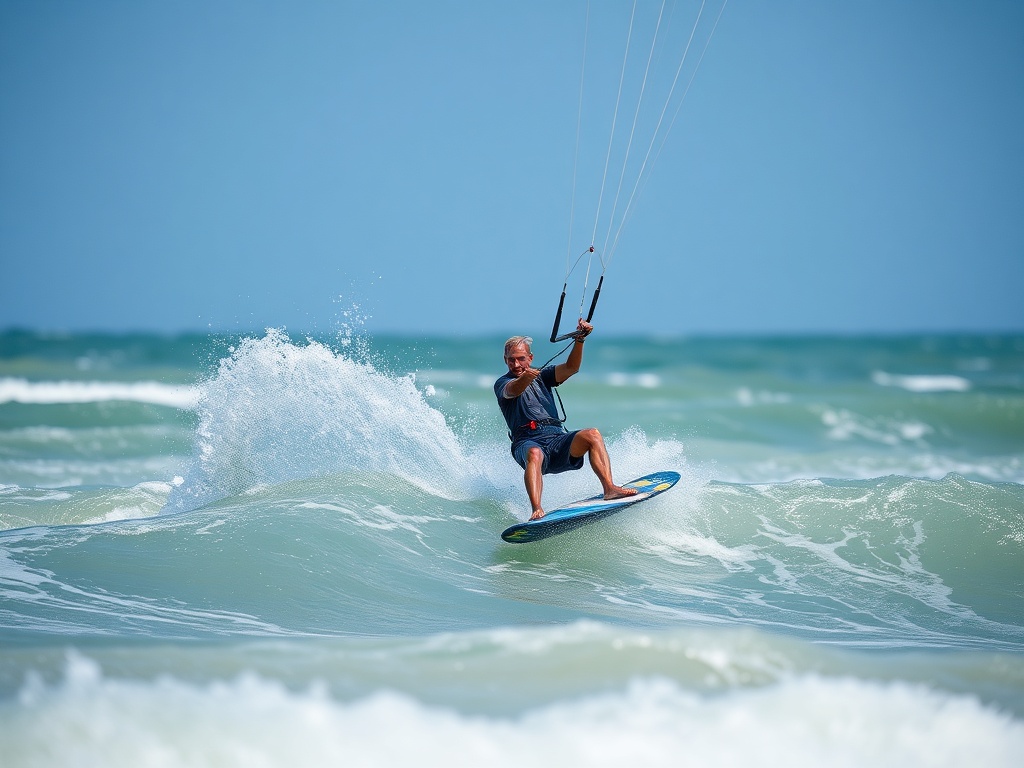
The water start is one of the most challenging yet crucial techniques for kiteboarders. Practicing this move in calm waters will help you get up on the board faster, with less effort.
7. Develop Mental Focus
Extreme sports like kiteboarding require a high level of mental focus and quick decision-making. Mental training, such as meditation or mindfulness, can significantly improve your ability to stay calm and perform well in challenging conditions.
8. Strengthen Your Legs and Lower Body
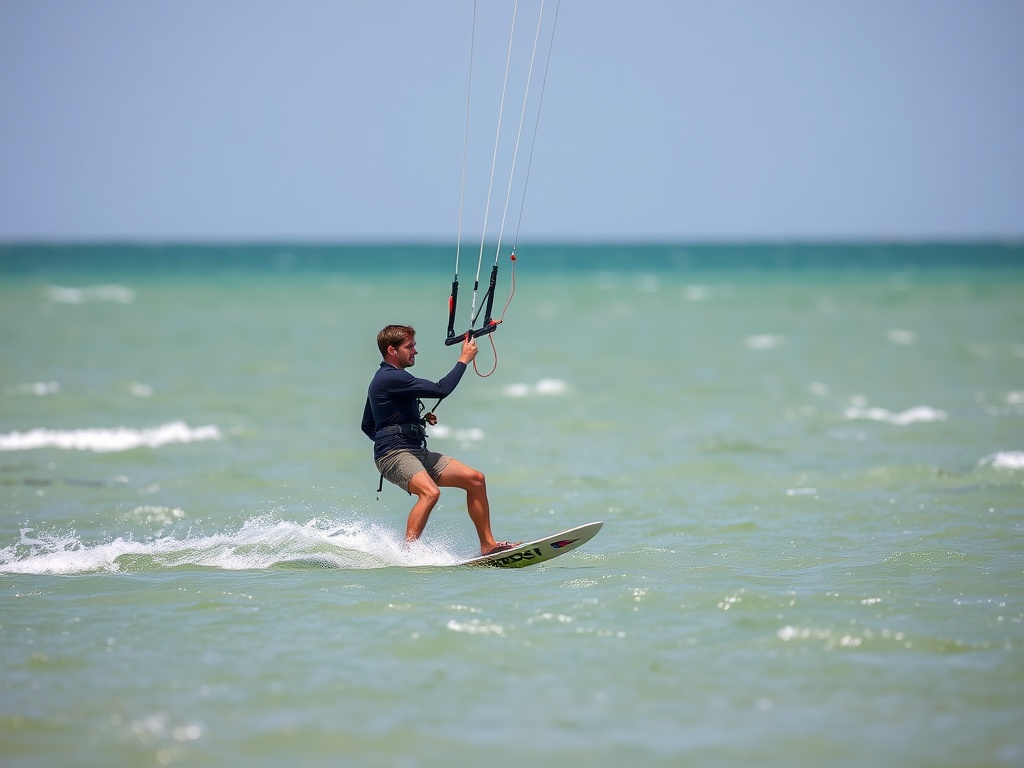
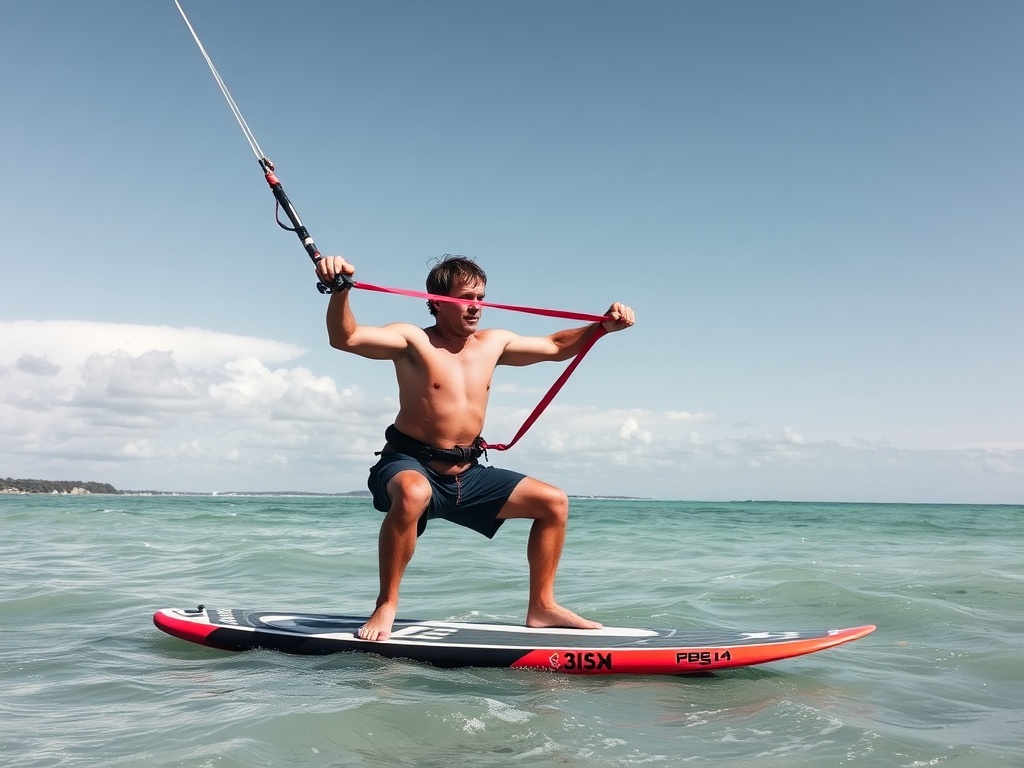
Kiteboarding involves a lot of leg strength, especially for jumping and landing. Squats, lunges, and leg presses are excellent exercises to build the muscles you need for smooth take-offs and landings.
9. Train in Various Wind Conditions
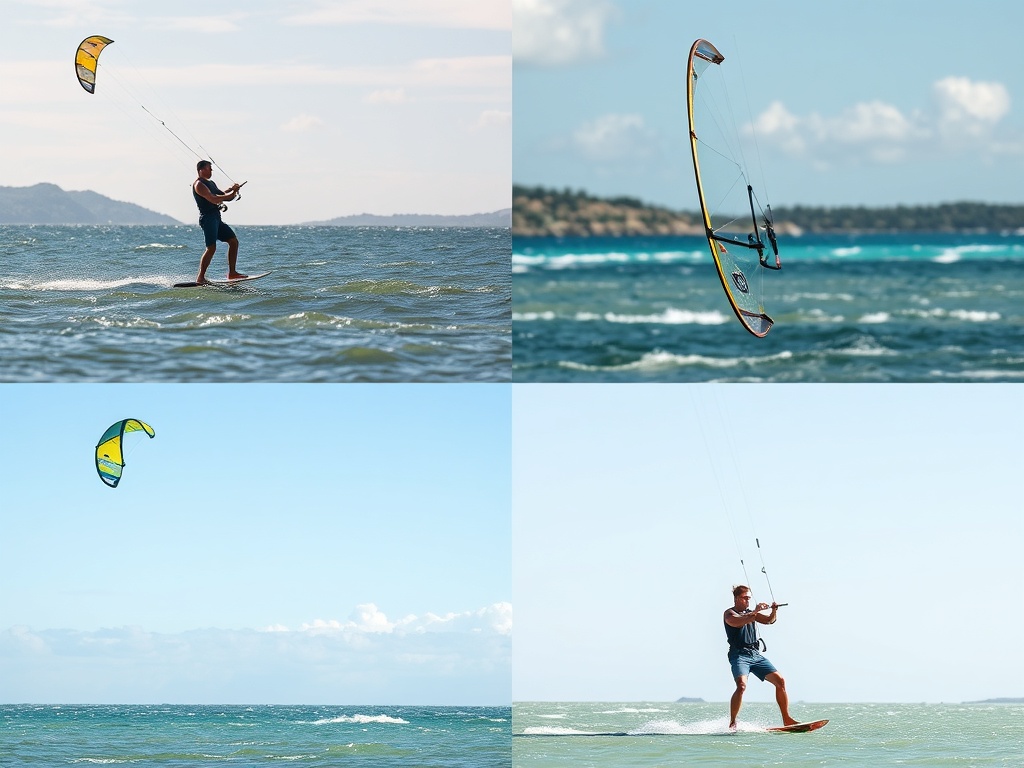
Understanding how to adjust to different wind conditions is essential for kiteboarding. Training in both light and strong winds will help you become more adaptable and confident on the water.
10. Take Time for Recovery
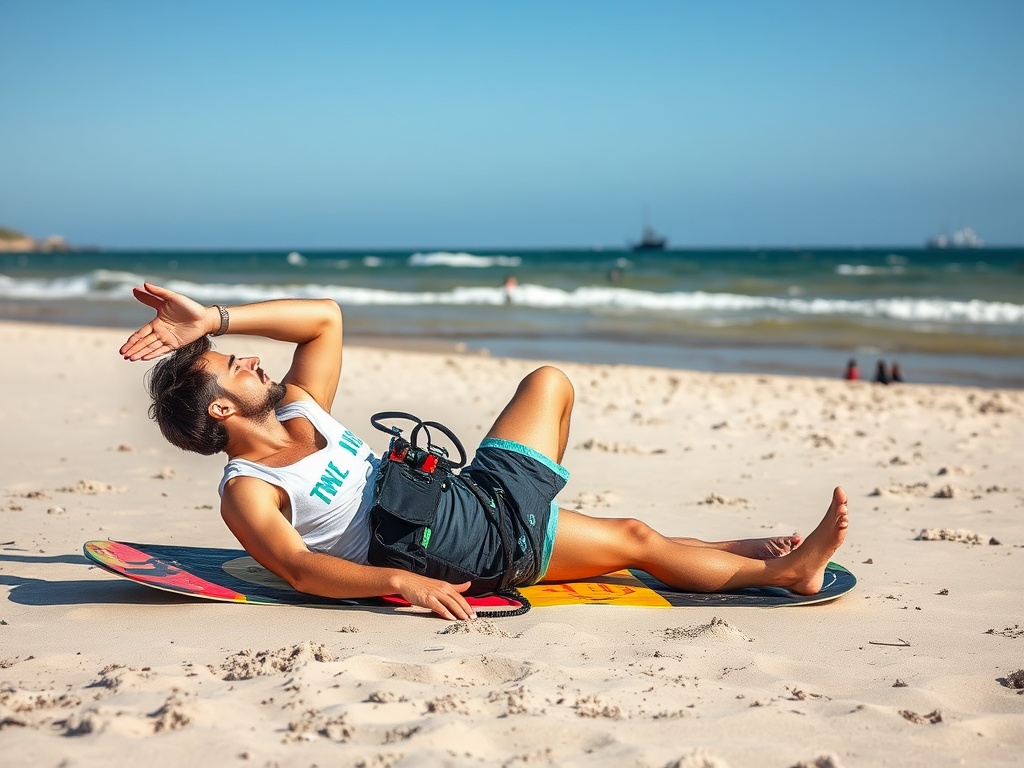
After intense training sessions or long kiteboarding sessions, recovery is key. Stretching, foam rolling, and adequate rest will prevent injuries and ensure that you're ready for the next session.
Conclusion
Training for kiteboarding is a holistic process that involves physical, mental, and technical preparation. By following these 10 training tips, you can enhance your skills, improve your performance, and reduce the risk of injury on the water.